
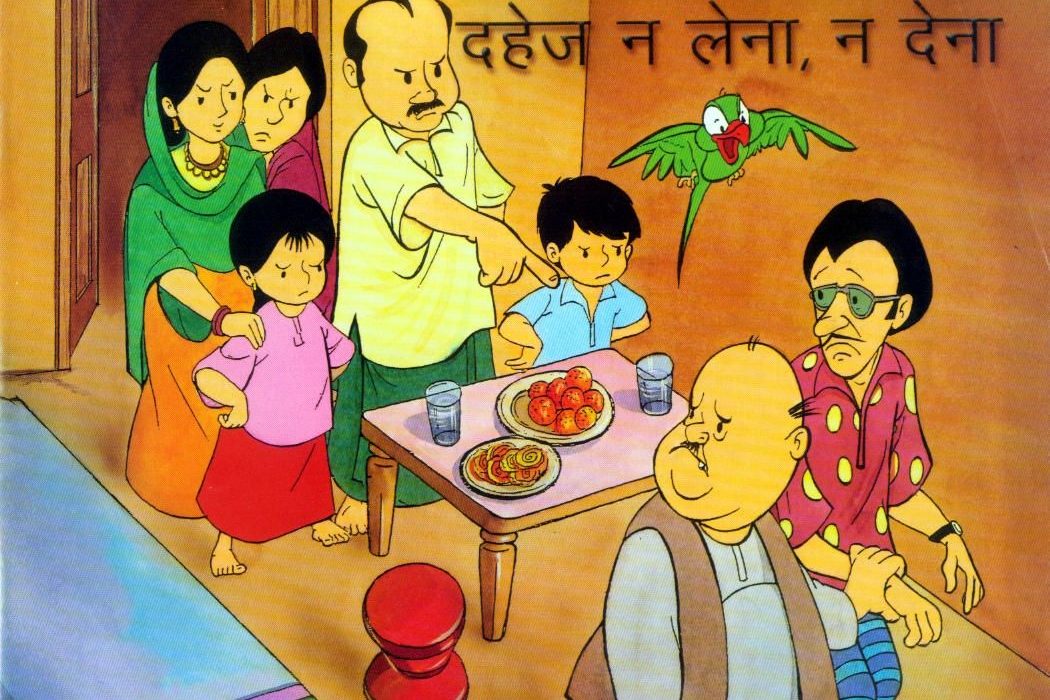
Dowry Matter in India: Laws, Legal Rights, Complaint Procedure and Remedies
A Dowry Matter can involve serious legal issues, including unlawful demands for money or property, harassment after marriage, domestic cruelty and, in the most tragic circumstances, dowry-related deaths. Understanding the applicable laws is important for individuals and families who need legal protection, wish to report alleged offences or are facing criminal proceedings.
In India, dowry-related offences are addressed through specific legislation and provisions of criminal law. Depending on the circumstances, a case may involve the Dowry Prohibition Act, 1961, the Bharatiya Nyaya Sanhita, 2023 (BNS), or other applicable laws. The appropriate legal action depends on the facts, available evidence and the requirements of the relevant provisions.
Whether someone is seeking protection from harassment, pursuing a complaint or responding to allegations, understanding the legal process can help them make informed decisions and protect their rights.
What Is a Dowry Matter?
A Dowry Matter generally refers to a legal dispute or criminal allegation involving an unlawful dowry demand, the giving or taking of dowry, or related harassment and cruelty. Such matters may arise before marriage, during the wedding or after the marriage, depending on the circumstances.
Dowry-related allegations may involve demands for cash, vehicles, jewellery, property or other valuable items in connection with a marriage. In some situations, allegations may also include threats, physical abuse, intimidation or pressure placed on a woman or her family to fulfil such demands.
Not every disagreement between spouses or family members constitutes a dowry offence. The legal position depends on the nature of the demand, its connection with marriage, the surrounding circumstances and the evidence available.
Understanding these distinctions is important because the law provides different remedies for dowry demands, cruelty, domestic violence and other offences.
Important Laws Governing Dowry Matters in India
Several legal provisions may apply to a Dowry Matter. The appropriate provisions depend on the alleged conduct and the date on which it occurred.
1. Dowry Prohibition Act, 1961
The Dowry Prohibition Act, 1961, prohibits the giving or taking of dowry and addresses demands for dowry. Its definition of dowry covers property or valuable security given or agreed to be given in connection with a marriage, subject to the statutory terms.
Section 3 deals with penalties for giving or taking dowry, while Section 4 addresses demanding dowry. The Act also contains provisions concerning property received in connection with marriage and its transfer for the benefit of the woman.
The circumstances surrounding wedding gifts should be assessed carefully. A genuine customary present is not automatically treated as dowry in every situation; the applicable statutory conditions and the facts must be considered.
2. Cruelty Under the Bharatiya Nyaya Sanhita, 2023
Section 85 of the Bharatiya Nyaya Sanhita, 2023, addresses cruelty by a husband or a relative of the husband against a woman. Section 86 explains the meaning of cruelty for this purpose, including certain conduct connected with unlawful demands for property or valuable security.
Depending on the facts, allegations may lead to criminal proceedings under the relevant provisions. The legal requirements must be assessed before determining whether the alleged conduct constitutes an offence.
3. Dowry Death Under Section 80 of the BNS
Section 80 of the Bharatiya Nyaya Sanhita, 2023, addresses dowry death. It applies where the statutory conditions are satisfied, including a woman’s death caused by burns or bodily injury, or occurring otherwise than under normal circumstances within seven years of marriage, along with the required connection to dowry-related cruelty or harassment soon before death.
The punishment prescribed is imprisonment for a term of at least seven years, which may extend to imprisonment for life.
For offences governed by the earlier criminal law, Section 304B of the Indian Penal Code, 1860, may be relevant. The applicable provision must be determined by reference to the date of the alleged offence and the relevant legal rules.
How to File a Dowry Complaint in India
A person experiencing dowry-related harassment may approach the appropriate police authority or seek assistance through available legal support services. The procedure depends on the allegations, the urgency of the situation and the applicable law.
Document the Incidents
Prepare a factual record of the incidents, including dates, locations, alleged demands, communications and the people involved. A clear timeline can help explain the circumstances to a lawyer or investigating authority.
Preserve Relevant Evidence
Messages, emails, financial records, photographs, medical documents and details of witnesses may be relevant. Keep original records where possible and avoid altering or deleting material connected with the allegations.
Approach the Appropriate Authority
Depending on the circumstances, a complaint may be submitted to the police or another competent authority. Legal assistance can help clarify the information required, the relevant legal provisions and the appropriate procedure.
Seek Legal Guidance
A lawyer can review the facts, explain the available remedies and assist with complaint preparation or subsequent proceedings. Depending on the case, this may include investigation-related assistance, court applications or representation during criminal proceedings.
Where there is an immediate risk of violence, personal safety should come first. Contact local emergency services or the police when necessary.
What Evidence Is Relevant in a Dowry Matter?
Evidence can play an important role in establishing the circumstances of a dowry-related allegation. The relevant material varies according to the nature of the case.
Examples may include:
- Messages or emails relating to alleged dowry demands.
- Bank statements, receipts or other financial records.
- Statements from witnesses with direct knowledge of relevant events.
- Medical records concerning alleged physical injuries.
- Previous complaints or records of reported incidents.
- Marriage-related documents and records concerning property or gifts.
In cases involving a suspected dowry death, investigators may also examine post-mortem findings, forensic evidence, witness statements and other material relevant to determining the cause and circumstances of death.
The authenticity, relevance and admissibility of evidence must be assessed under applicable law. No single allegation or document should automatically be treated as conclusive without proper examination.
Individuals should preserve evidence responsibly and avoid fabricating, altering or unlawfully accessing records.
Legal Remedies Available in Dowry-Related Cases
The legal remedies available depend on the facts and the provisions that apply. A matter may involve criminal proceedings, applications for protection, property-related issues or other remedies available under Indian law.
Criminal Complaint and Investigation
Where the facts disclose a criminal offence, a complaint may be made to the appropriate authority. The subsequent process may involve investigation, collection of evidence and proceedings before the competent court.
Protection Under Domestic Violence Law
The Protection of Women from Domestic Violence Act, 2005, may provide remedies where the statutory requirements are met. Depending on the circumstances, these can include protection orders, residence orders, monetary relief and other reliefs available under the Act.
Property and Financial Issues
Some matrimonial disputes involve questions concerning jewellery, personal belongings, gifts or other property. The legal position depends on ownership, the nature of the property and the applicable provisions. Relevant documents and records may help establish the facts.
Legal Representation During Court Proceedings
Legal representation may assist complainants, affected families and accused persons in understanding procedural requirements and presenting their position. Depending on the matter, assistance may include bail applications, preparation of legal submissions, review of evidence, trial representation or other permissible remedies.
Every case requires an individual assessment. The appropriate remedy cannot be determined solely by the label attached to a dispute.
Why Legal Advice Matters in a Dowry Matter
Dowry-related cases can involve sensitive family circumstances, conflicting accounts, documentary evidence and serious legal consequences. Professional legal guidance can help individuals understand the law and take appropriate steps based on their circumstances.
Legal assistance may include reviewing the allegations, identifying relevant legal provisions, assessing available evidence, preparing complaints or responses, explaining investigation procedures and providing representation before the appropriate court.
For a person facing allegations, it is important to understand the specific accusations, preserve relevant records and obtain legal advice before making decisions that could affect the proceedings. For someone reporting harassment, legal guidance can help clarify the available protective measures and complaint procedures.
A careful, evidence-based approach helps ensure that legal issues are addressed through the appropriate process rather than assumptions or generalisations.
Frequently Asked Questions About Dowry Matters
Is demanding dowry illegal in India?
Yes. Section 4 of the Dowry Prohibition Act, 1961, addresses demands for dowry. Whether the provision applies depends on the circumstances and the statutory requirements.
Can a dowry complaint be filed after marriage?
Yes. A complaint may be made after marriage if the alleged conduct discloses an offence under applicable law. The appropriate procedure depends on the facts and the nature of the allegations.
What should someone do if they experience dowry harassment?
Prioritise safety, preserve relevant evidence, document incidents and seek appropriate legal assistance. Depending on the circumstances, contacting the police or accessing available support services may be appropriate.
What is the punishment for dowry death in India?
Section 80 of the Bharatiya Nyaya Sanhita, 2023, prescribes imprisonment of at least seven years, which may extend to life imprisonment, where the statutory requirements for dowry death are satisfied.
Can someone defend themselves against a dowry allegation?
A person facing allegations can seek legal representation and respond through the applicable legal process. The defence should be based on the specific allegations, relevant evidence and applicable law.
Conclusion: Seek Legal Guidance for a Dowry Matter
A Dowry Matter requires careful consideration of the facts, available evidence and applicable legal provisions. Whether the issue concerns alleged dowry demands, harassment, domestic violence, a suspected dowry death or criminal proceedings, understanding the available legal options is an important first step.
Timely legal guidance can help individuals understand their rights, comply with procedural requirements and determine the appropriate course of action. Each matter should be assessed on its own facts, without assuming that every matrimonial dispute falls into the same legal category.
If you need assistance with a Dowry Matter, consult a qualified legal professional for advice tailored to your circumstances. A case-specific assessment can help clarify the relevant laws, available remedies and the next steps under Indian law.