Cheque Bounce Matters in India: Legal Process and Remedies
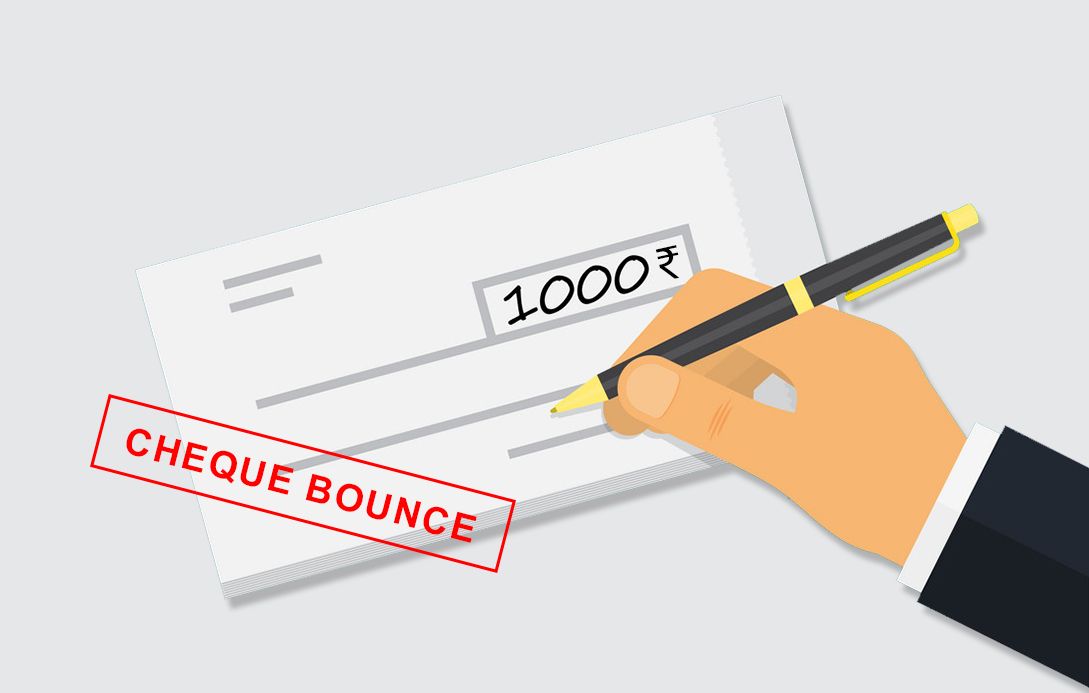
Cheque Bounce Matters arise when a cheque issued for payment is returned unpaid by a bank. Such situations can create financial difficulties for individuals, businesses, suppliers, service providers, and other parties relying on timely payments. A bounced cheque may result from insufficient funds, an account being closed, a payment arrangement being disputed, or other reasons recorded by the bank.
In India, cheque dishonour can have legal consequences under the Negotiable Instruments Act, 1881, particularly Section 138, when the statutory requirements are satisfied. The law establishes a procedure through which the person who received the cheque may issue a written demand notice and, if the payment remains unpaid within the prescribed period, initiate a complaint before the competent court.
However, every dishonoured cheque does not automatically result in criminal liability. The purpose for which the cheque was issued, the circumstances of dishonour, the existence of a legally enforceable debt or liability, and compliance with statutory deadlines are important considerations.
Understanding Cheque Bounce Matters can help payees protect their financial interests, follow the correct legal procedure, and assess the remedies available under Indian law.
What Are Cheque Bounce Matters?
Cheque Bounce Matters refer to legal disputes arising when a bank refuses to honour a cheque presented for payment. The bank generally provides a return memo stating the reason for dishonour.
A cheque may be returned for reasons such as insufficient funds, an account being closed, payment being stopped, or a mismatch in signature or other banking requirements. The legal consequences depend on the reason for dishonour and the facts of the transaction.
Section 138 of the Negotiable Instruments Act, 1881, addresses specified cases in which a cheque issued towards the discharge, wholly or partly, of a legally enforceable debt or other liability is returned unpaid for reasons covered by the provision.
For a claim under Section 138, the statutory conditions must be fulfilled, including timely presentation of the cheque, a written demand notice within the prescribed period, failure to pay within the statutory notice period, and filing the complaint within the applicable limitation period.
Legal Provisions Governing Cheque Bounce Matters in India
The primary legislation governing cheque dishonour cases is the Negotiable Instruments Act, 1881.
Section 138: Dishonour of Cheque
Section 138 provides for criminal liability in qualifying cases involving dishonour of a cheque for insufficiency of funds or where the amount exceeds the arrangement made with the bank, subject to the statutory requirements.
The punishment may extend to imprisonment for up to two years, a fine of up to twice the amount of the cheque, or both.
The applicable legal outcome depends on the evidence, statutory compliance, and court proceedings. The maximum punishment is not automatically imposed in every case.
Section 139: Presumption in Favour of the Holder
Section 139 provides a rebuttable presumption in favour of the holder of a cheque that it was received for the discharge, wholly or partly, of a debt or other liability, subject to the applicable legal framework.
The accused may challenge the presumption through legally admissible evidence and relevant circumstances. The final determination depends on the facts and applicable judicial principles.
Section 142: Cognizance and Limitation
Section 142 addresses the court’s ability to take cognizance of offences under Section 138, including requirements concerning a written complaint and the limitation period.
Generally, the complaint must be filed within one month from the date on which the cause of action arises. The court may condone a delay where sufficient cause is shown, as permitted by the statute.
Section 143: Summary Trial
Section 143 provides for summary trial of qualifying cheque dishonour cases, subject to the statutory framework and judicial directions. The actual duration of proceedings can vary depending on the circumstances and court workload.
Section 147: Compounding of Offences
Section 147 makes offences under the Negotiable Instruments Act compoundable. This allows a cheque dishonour dispute to be resolved through a legally permissible settlement, subject to the applicable procedure and court requirements.
Common Reasons for Cheque Dishonour
Banks may return cheques unpaid for several reasons. Some common examples include:
- Insufficient funds in the drawer’s account.
- The cheque amount exceeding the arrangement with the bank.
- Closure of the bank account.
- A stop-payment instruction.
- Signature mismatch or irregularities in the cheque.
- Expired validity or improper presentation.
- Alterations, technical defects, or other banking objections.
The reason stated in the bank’s return memo is important when assessing the appropriate legal response. A return for a technical or procedural reason may require a different assessment from a return for insufficient funds.
A payee should preserve the original cheque, return memo, transaction records, and relevant correspondence before deciding on further action.
Legal Procedure for Cheque Bounce Matters
Step 1: Present the Cheque Within Its Validity Period
The cheque must be presented within its applicable validity period. In India, cheques are generally valid for three months from the date stated on the instrument, subject to applicable banking rules.
A cheque presented after its validity period may not support the same Section 138 procedure. The relevant dates should therefore be checked promptly.
Step 2: Obtain the Bank Return Memo
If the cheque is dishonoured, obtain and preserve the bank’s return memo or other documentary record showing the date and reason for dishonour.
This document may be relevant evidence in subsequent legal proceedings.
Step 3: Send a Written Demand Notice
Under Section 138, the payee or holder in due course must issue a written demand notice to the drawer within 30 days of receiving information from the bank about dishonour.
The notice must demand payment of the cheque amount. It should accurately identify the cheque, transaction, amount, and relevant dates.
The notice should be served using a legally appropriate method, and proof of dispatch and delivery should be preserved. Legal advice can help ensure that the notice complies with statutory requirements.
Step 4: Allow the Statutory Payment Period
After receiving the demand notice, the drawer has 15 days to pay the cheque amount.
If payment is made within this period, the statutory basis for a Section 138 complaint arising from that notice may not be available. The specific circumstances and any separate legal claims should still be assessed.
Step 5: File a Complaint Before the Competent Court
If the drawer does not pay within the prescribed 15-day period, the payee may file a complaint under Section 138, subject to the applicable statutory conditions and limitation period.
The complaint is generally required to be filed within one month from the date on which the cause of action arises. Any request for condonation of delay must meet the applicable legal standard.
The appropriate court and territorial jurisdiction must also be determined under the relevant provisions, including Section 142 of the Negotiable Instruments Act.
Step 6: Attend Court Proceedings
The court may consider the complaint, supporting documents, the parties’ submissions, and the evidence presented. The accused may raise legally available defences, while the complainant must establish the case in accordance with the applicable law.
Depending on the circumstances, the matter may be resolved through a settlement or proceed to trial and judgment.
Documents Required for Cheque Bounce Matters
The documents required depend on the transaction and the stage of proceedings. Commonly relevant records include:
- Original dishonoured cheque.
- Bank return memo stating the reason for dishonour.
- Copy of the written demand notice.
- Postal receipts, delivery records, or other proof of service.
- Invoice, agreement, loan record, or other evidence of the underlying transaction.
- Account statements and payment records, where relevant.
- Relevant emails, messages, or written acknowledgements.
- Identity and address details required for the proceedings.
- Other supporting documents relating to the debt or liability.
The complainant should ensure that dates, cheque details, payment amounts, and transaction records are consistent. A lawyer can identify which documents are essential for the specific case.
Defences in Cheque Bounce Matters
A person facing a cheque dishonour complaint may have legally available defences depending on the facts. These may include disputes about whether a legally enforceable debt existed, whether the cheque was issued for the alleged purpose, whether the statutory notice requirements were satisfied, or whether the complaint was filed within the applicable limitation period.
Other issues may concern the circumstances in which the cheque was delivered, the amount outstanding, the nature of the transaction, or payments already made.
The legal presumptions under the Negotiable Instruments Act must also be considered. A defence should be based on relevant facts, admissible evidence, and applicable legal principles rather than unsupported assertions.
Each matter requires an individual assessment. The availability and strength of a defence depend on the evidence and circumstances of the case.
Can a Cheque Bounce Matter Be Settled?
Yes. Cheque dishonour disputes may be resolved through settlement where the parties agree on a legally permissible arrangement.
A settlement may involve payment of the outstanding amount, an agreed payment schedule, or other terms acceptable to the parties. The agreement should clearly record the amount payable, deadlines, payment method, consequences of default, and the steps required to conclude the legal proceedings.
Since offences under the Negotiable Instruments Act are compoundable under Section 147, settlement may be recorded through the appropriate legal process. The exact procedure depends on the stage of the case and the applicable court requirements.
Parties should preserve payment receipts and obtain proper documentation confirming the settlement. They should not assume that a private agreement automatically terminates pending proceedings without the necessary legal steps.
Importance of Legal Assistance in Cheque Bounce Matters
Cheque dishonour cases involve strict deadlines, documentary requirements, and procedural rules. A missed deadline or an incorrectly prepared notice can affect the availability of a remedy under Section 138.
Legal assistance may be useful for reviewing the underlying transaction, checking the statutory requirements, preparing and serving the demand notice, assessing the appropriate court, and filing or defending a complaint.
For businesses, timely action may also help maintain accurate payment records and support broader debt-recovery efforts. For individuals facing a complaint, legal advice can help identify relevant documents, understand the allegations, evaluate settlement options, and prepare an appropriate response.
The best legal strategy depends on the transaction, the reason for dishonour, the documents available, and the procedural stage.
Frequently Asked Questions About Cheque Bounce Matters
What is the time limit for sending a cheque bounce notice?
Under Section 138 of the Negotiable Instruments Act, the written demand notice must generally be sent within 30 days of receiving information from the bank regarding dishonour.
How many days does the drawer get to make payment after receiving the notice?
The drawer generally has 15 days from receipt of the written demand notice to pay the cheque amount.
What happens if payment is not made after the notice?
If the cheque amount remains unpaid after the statutory 15-day period, the payee may initiate a complaint under Section 138, provided the other legal requirements are satisfied.
What is the punishment for cheque bounce in India?
Section 138 provides for imprisonment of up to two years, a fine of up to twice the cheque amount, or both. The actual outcome depends on the facts and judicial determination.
Can a cheque bounce case be settled outside court?
The parties may negotiate a settlement, and offences under the Negotiable Instruments Act are compoundable under Section 147. Any required steps to conclude the court proceedings must still be completed.
Is a bank return memo important in a cheque bounce case?
Yes. The return memo helps document the fact and reason for dishonour and may be important evidence in assessing the legal claim.
Can a person defend a cheque bounce complaint?
Yes. The accused may raise legally available defences based on the transaction, the existence of a legally enforceable debt, statutory compliance, and other relevant circumstances.
Is every bounced cheque a criminal offence?
No. Criminal liability under Section 138 arises only when the statutory requirements are satisfied. The reason for dishonour, the purpose of the cheque, and the surrounding facts must be examined.
Conclusion
Cheque Bounce Matters can have significant financial and legal consequences for both the person who issued the cheque and the person entitled to receive payment. The Negotiable Instruments Act, 1881, provides a defined legal framework for qualifying cases, including requirements relating to presentation, written demand notice, payment deadlines, and court proceedings.
Prompt action, accurate documentation, and compliance with statutory timelines are essential when considering a remedy under Section 138. Individuals and businesses should carefully review the underlying transaction and obtain appropriate legal guidance before taking further action.
A clear understanding of the legal process can help parties evaluate their options, protect their interests, and pursue a lawful resolution.